10 Signs Your Home Needs an Electrical Panel Upgrade in Palmdale, California
Small electrical problems are easy to brush off. Knowing the signs you need an electrical panel upgrade is the best way to keep your home safe from fire hazards. A light flickers. A breaker trips. You reset it and move on.
But here's the thing: those small signs often point to something bigger. If you notice burning smells, buzzing sounds, or a panel that feels warm, you have a serious problem. In Palmdale, California, where heating and cooling systems run hard for months at a time, your electrical panel takes on a lot of stress. Older homes built before the 1990s, or homes using old fuse boxes, can reach their limit faster than you'd expect.
So how do you know when it's time for an upgrade? Handyman Randy put together this guide to walk you through the 10 key signs your home needs an electrical panel upgrade in Palmdale, California, and exactly what to do about each one.
Key Takeaways
An electrical panel upgrade is one of the most important safety investments a homeowner in Palmdale can make.
Common warning signs include flickering lights, tripping breakers, burning smells, buzzing sounds, and warm outlets.
Outdated electrical panels built decades ago cannot handle today's electrical demands from HVAC units, EV chargers, and smart home devices.
Homes built before the 1990s are especially likely to have a panel that is outdated or undersized for modern use.
Two-prong outlets and missing GFCI protection are signs your home still runs on an older electrical system that needs attention.
A 200-amp panel is now the standard for most homes with modern appliances and electronics.
Electrical panel work requires a licensed electrician, a permit, and a safety inspection in Los Angeles County.
A panel upgrade also raises home value, as homes with updated electrical systems sell more competitively.
Regular inspection every 3 to 5 years helps catch potential electrical problems before they turn into hazards.
Never attempt DIY electrical work on your panel. The risk of electrical injury and fire is too high.
10 Signs You Need an Electrical Panel Upgrade in Palmdale
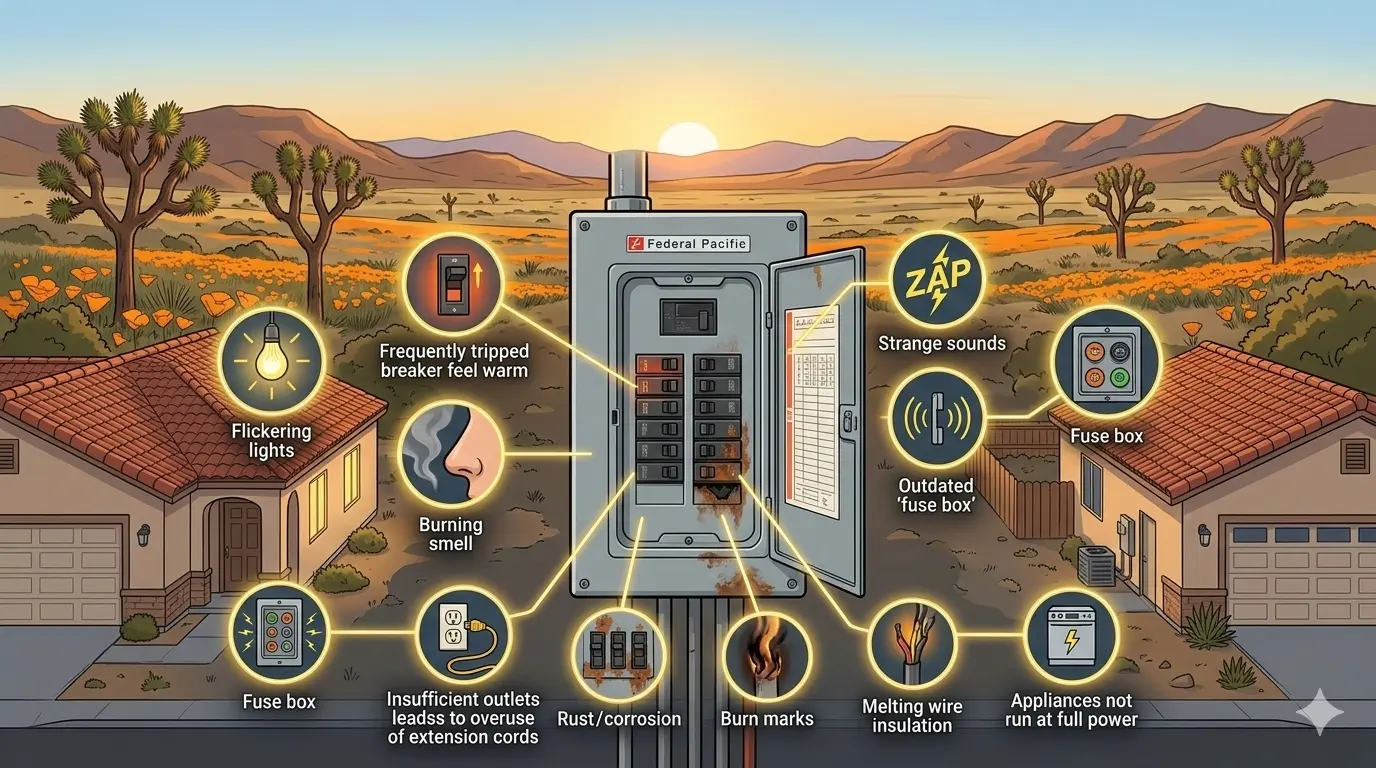
Even small, common signs can become serious hazards if you wait too long. From flickering lights to an overtaxed electrical system, these warning signs appear in homes across Palmdale every day. Knowing what to look for helps you protect your home and family before things get worse.
1. Flickering or Dimming Lights
A light that flickers occasionally might seem harmless. In reality, it often means your home's electrical system is under strain.
If your lights dim when the HVAC kicks on, the microwave runs, or a large appliance starts up, weak wiring or an overloaded circuit is usually the cause. In older Palmdale neighborhoods, outdated electrical setups are a common reason this happens. A panel box that can't distribute power evenly puts your home at real risk of electrical fire.
What to do immediately:
Turn off the device or light that triggered the flicker
Call a licensed electrician for a panel and circuit inspection
Don't ignore repeated flickers. Upgrading your electrical panels may be the only safe solution
2. Constantly Tripping Circuit Breakers
A breaker tripping once is a safety feature doing its job. Tripping repeatedly is a warning sign that something is wrong.
It usually means your panel box is outdated or overloaded. New kitchen appliances, extra lighting fixtures, and smart home devices all draw more power than older panels were built to handle. Some Palmdale homes still run on panels installed decades ago. Those panels were never designed for today's electrical loads.
What to do immediately:
Unplug the appliance that caused the trip
Reset the breaker safely
If it trips again, call a professional and consider a panel upgrade
3. Burning Smells or Scorch Marks
A burning smell near outlets or switches is a red flag. If you notice melted plastic odors or see black marks, a spark or loose wiring is likely causing heat buildup behind the wall.
This is one of the top causes of electrical fires in older homes. In Palmdale, where heating and cooling loads are heavy year-round, even a minor fault can grow into a serious hazard fast.
What to do immediately:
Flip the breaker box to cut power to that outlet
Stop using it until a professional checks it
Contact Handyman Randy or another trusted electrician for emergency electrical work
4. Outdated Electrical Panels
Old electrical panels were designed long before smart home systems, EV chargers, or high-demand HVAC units existed. If your home still runs on an outdated electrical panel, it may be too weak to handle modern electrical demands.
Frequent trips, damaged electronics, and hazardous overloads are all signs your current panel can't support what your home needs. Homes built before the 1990s in Palmdale are especially likely to have a panel that needs replacing. Brands like Zinsco are known for reliability issues and should be inspected right away if your home has one.
What to do immediately:
Inspect your panel box for rust, corrosion, or visible damage
Schedule an on-site inspection with a licensed electrician
Plan a panel upgrade or replacement to meet current safety codes
5. Overuse of Extension Cords and Power Strips
If extension cords and power strips are a permanent part of your home setup, your electrical system doesn't have enough outlets for your actual needs. This puts extra pressure on existing circuits and raises the risk of overload and electrical fire.
Many Palmdale homeowners stack cords for new appliances, outdoor lighting, or landscape features. However, that is not a safe long-term solution. Heat builds up in overloaded strips, and cords under rugs create both a tripping hazard and a fire risk.
What to do immediately:
Unplug unnecessary devices from power strips
Never run extension cords under rugs or across walkways
Hire a local electrician to install permanent outlets through professional electrical services
6. Warm or Hot Outlets and Switches
Outlets and switches should always feel cool to the touch. If they feel warm or hot, something is wrong behind the wall.
Heat comes from faulty wiring, overloaded circuits, or worn electrical components. This happens most often in kitchen areas where high-power appliances run daily. Left unchecked, heat buildup at an outlet can damage your home's electrical panel and create a serious fire hazard.
What to do immediately:
Stop using the outlet or switch right away
Place a note so no one plugs anything in
Call a professional to determine whether you need electrical repairs or a full panel upgrade
7. Buzzing Sounds from Electrical Systems
Your home's electrical work should be completely silent. Buzzing from the breaker box, outlets, or switches means there's a problem.
Loose wiring, stressed circuits, or worn parts inside the panel box are common causes. This kind of electrical noise won't fix itself. Voltage fluctuations and arcing inside the panel create risk of electrical injury and fire every time you ignore it.
What to do immediately:
Turn off the connected switch or unplug the device
If the buzzing comes from the panel itself, do not touch it
Call a licensed electrician in Palmdale for a professional inspection
8. Rising Energy Bills Without Explanation
If your energy bills keep climbing but your habits haven't changed, your electrical system may be wasting power.
Old wiring, outdated electrical parts, and an inefficient panel box all increase energy loss throughout your home. In Palmdale, where heating and cooling systems run constantly, this translates directly into higher monthly costs. A modern panel upgrade improves how electricity flows through your home and can also support eco-friendly additions like solar panels.
What to do immediately:
Compare past bills for sudden or unexplained spikes
Track usage over 30 days to spot patterns
Book a full electrical inspection. Upgrading your panel often improves energy efficiency and lowers costs
9. Outdated Two-Prong Outlets and No GFCIs
Modern electrical code requires grounded outlets and GFCI protection in kitchens, bathrooms, garages, and outdoor spaces. If your home still has two-prong outlets, you're relying on outdated electrical parts that offer no protection from electrical shock.
In Palmdale, where outdoor lighting, pools, and garden setups are common, missing GFCI outlets adds serious safety concerns. A residual-current device, which is what a GFCI is, cuts power in milliseconds when a fault is detected. Without one, the risk of electrical injury is much higher.
What to do immediately:
Limit use of outdated, ungrounded outlets
Don't plug high-demand appliances into unprotected outlets
Schedule installation services to replace them with proper grounded and GFCI outlets
10. Planning a Remodel, Smart Home Setup, or EV Charger
Adding a smart home system, outdoor lighting, or an EV charger means your panel box needs to handle more than it currently does. These upgrades require dedicated circuits and a stronger electrical panel. Without a proper upgrade first, you risk overloading your current panel and damaging the new equipment you just paid for.
What to do immediately:
Before any remodel or renovation, check whether your panel has capacity for added load
Ask a licensed electrician whether your current electrical panel can support the planned changes
Upgrade your panel first. It keeps your home code-compliant and prepares it for added electrical demands
Old Panel vs. Modern Electrical Panel: What's the Real Difference?
How an Electrical Panel Upgrade Protects Your Family and Home
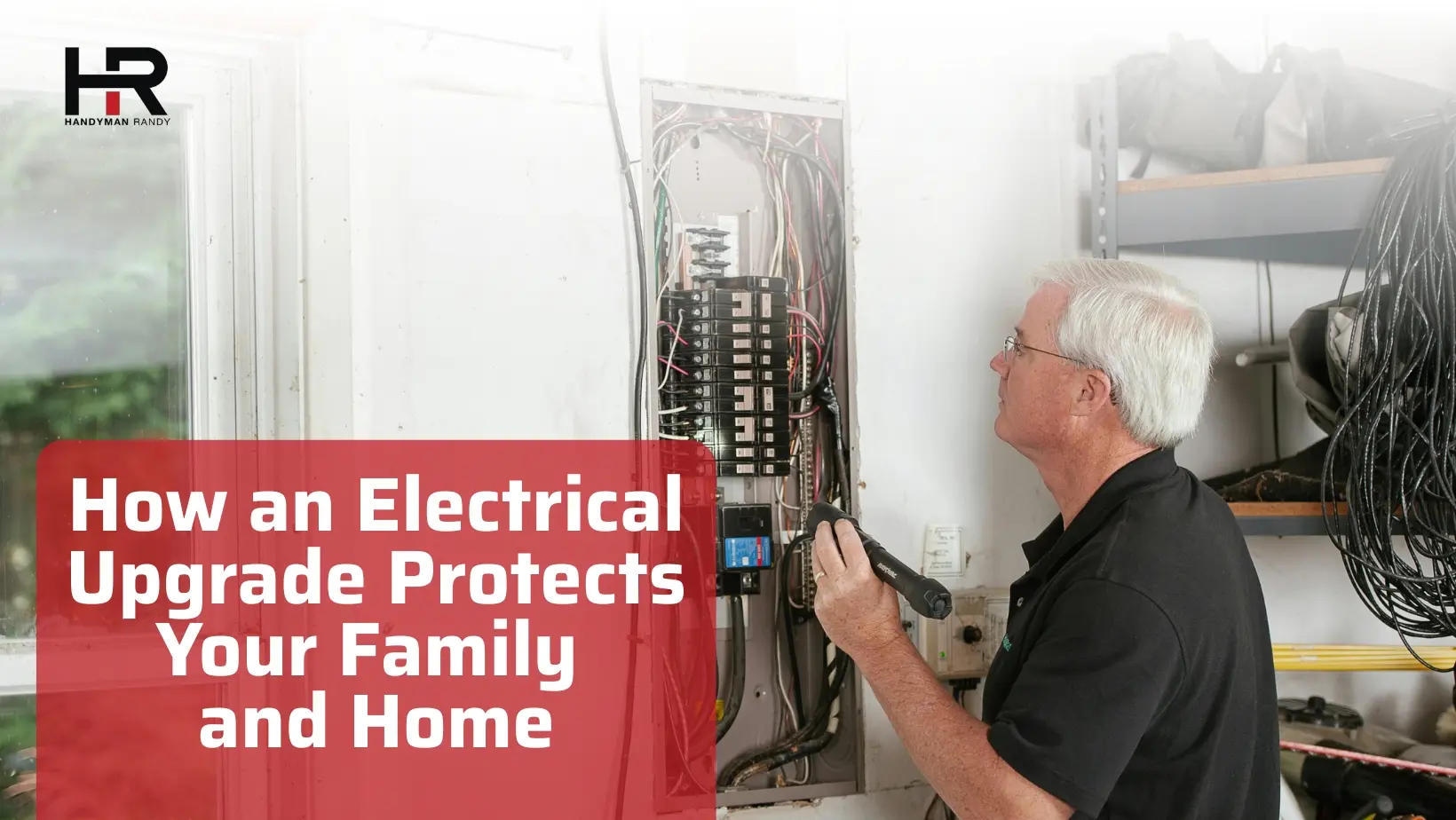
Many Palmdale homeowners put off panel upgrades until something goes wrong. However, a modern electrical panel is not just about keeping up with today's electrical demands. It actively protects your home, your appliances, and the people inside.
Whether you're adding solar panels, upgrading your HVAC unit, or planning new construction, investing in a panel upgrade through professional installation means fewer risks and better long-term performance. Here is how these upgrades protect your home and family:
Reduce overloads and lower the chance of dangerous electrical fires
Extend the lifespan of appliances, light fixtures, and major home systems
Support modern needs like solar panels, HVAC units, and smart home features
Keep your home in compliance with Los Angeles County safety codes and permit requirements
Provide extra protection for children, seniors, and others in the household
Increase home value, as homes with updated electrical systems are more attractive to buyers
What Is the 120 Rule and the 80% Rule for Electrical Panels?
These two rules are worth knowing before you talk to your electrician.
The 120 rule is a guideline used when adding solar panels or battery storage. It states that the combined rating of your main breaker and any back-fed solar breaker should not exceed 120% of your panel's rated capacity. This helps prevent overloading the panel busbar when solar power feeds back into the system.
The 80% rule applies to circuit breakers. A breaker should never run at more than 80% of its rated capacity during normal use. So a 20-amp breaker should not carry more than 16 amps continuously. Running breakers at full capacity causes heat buildup, wear, and a higher risk of electrical fire over time.
Both rules exist to protect your home. If your current panel is already close to its limits, these guidelines are clear indicators that it's time for an upgrade.
What You Can Do Right Now to Protect Your Home
If any of these warning signs sounds familiar, act on it now. Small electrical problems don't fix themselves. They grow, and they get more expensive to repair the longer you wait.
Here's what you can do today:
Schedule a professional electrical inspection with a licensed electrician in Palmdale
Upgrade your electrical panel if it is over 25 years old or showing warning signs
Replace outdated two-prong outlets with grounded and GFCI-protected versions
Add new circuits instead of relying on power strips and extension cords
Install arc-fault circuit interrupters on bedroom and living area circuits
Add a whole-home surge protector to guard appliances and electronics
Plan ahead for EV chargers, solar panels, or smart home additions with a panel that can handle the load
For homeowners in the Lancaster area, trusted electrical services are also available nearby.
Frequently Asked Questions

How Do I Know If My Home Needs an Electrical Panel Upgrade?
Watch for warning signs like frequent breaker trips, flickering lights, burning smells, warm outlets, or a panel that looks corroded or old. If your home still has a fuse box or a 60 to 100-amp panel, and you're running modern appliances and HVAC systems, a panel upgrade is worth considering. A licensed electrician can do a panel evaluation and tell you whether your current panel capacity is enough.
What Are Common Signs of an Outdated Panel?
Common signs include a panel box with corrosion or rust, a brand like Zinsco that is known for reliability issues, breakers that trip often, outlets that feel warm, and a system that can't handle your electrical load. If your home still uses a fuse-based system rather than a circuit breaker panel, that is also a strong signal the panel is outdated.
What Is the 120 Rule for Electrical Panels?
The 120 rule applies when adding solar panels or energy storage to your home. It states that the main breaker rating plus any back-fed breaker should not go beyond 120% of the panel's total rated capacity. This prevents the panel busbar from being overloaded when energy feeds back from a solar system. A licensed electrician will check this before any solar installation.
What Is the Average Cost to Upgrade an Electrical Panel?
Most electrical panel upgrades in Palmdale cost between $1,500 and $3,000. The final price depends on your current panel size, whether you're moving to a 200-amp panel, and local permit fees. A licensed electrician can give you an accurate estimate after an on-site inspection. View Handyman Randy's service area to confirm coverage for your address.
Do I Need a Permit for an Electrical Panel Upgrade in Los Angeles County?
Yes. All major electrical panel work requires a permit and a safety inspection in Los Angeles County. DIY electrical work on your panel is not legal and creates liability issues if something goes wrong later. Licensed electricians handle the permit process for you and make sure the work passes inspection. For permit details, visit the Los Angeles County Department of Public Works.
Can You Upgrade an Electrical Panel Without Rewiring the House?
Yes. A panel upgrade replaces the distribution board and increases your home's electrical capacity. It does not automatically require rewiring the circuits throughout your home. However, if your existing wiring is damaged, outdated, or aluminum in older sections, your electrician may recommend rewiring specific areas at the same time.
Should a 50-Year-Old Electrical Panel Be Replaced?
Electrical panels typically last 25 to 40 years under normal use. A 50-year-old panel has almost certainly exceeded its reliable lifespan. It may also predate modern safety standards like arc-fault circuit interrupter requirements. If your home still runs on a panel that old, scheduling a panel professionally inspected is a good first step, and replacement is very likely the outcome.
What Is the 80% Rule for Breakers?
The 80% rule means a circuit breaker should not carry more than 80% of its rated amperage during continuous use. A 20-amp breaker, for example, should not run more than 16 amps at a stretch. Running breakers above this level causes heat, accelerates wear, and raises the risk of electrical fire. If your circuits regularly run near their maximum, that is a sign your panel cannot handle your home's electrical needs.
Wrapping It Up: Don't Wait on These Warning Signs
Your electrical panel is the heart of your home's power supply. When it struggles, everything connected to it suffers, from your appliances and electronics to the safety of your family.
The 10 signs covered in this article are not minor inconveniences. They are real indicators that your home may need an electrical panel upgrade before something goes wrong. Acting early saves money, prevents damage, and keeps your home safe.
If your home is showing any of these signs, reach out to Handyman Randy for a full inspection and honest advice on your panel options. Keeping your home safe starts with knowing when it's time to upgrade.
